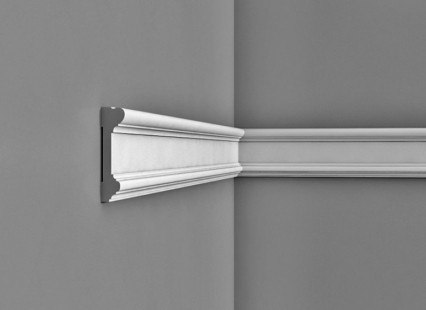
Chair Rails
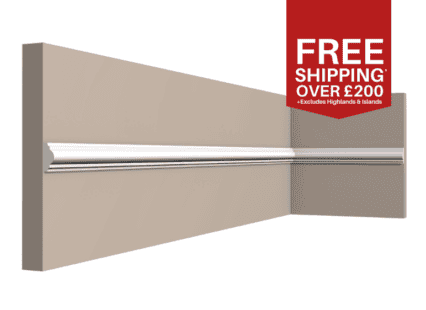
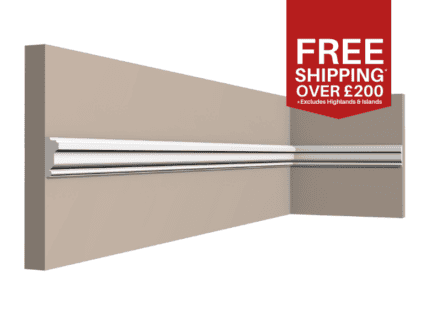
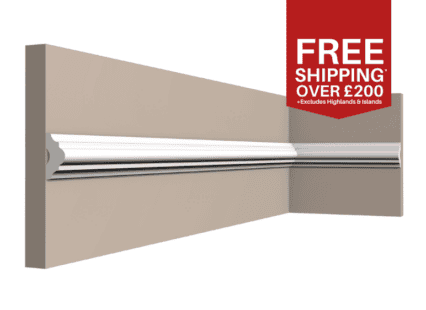
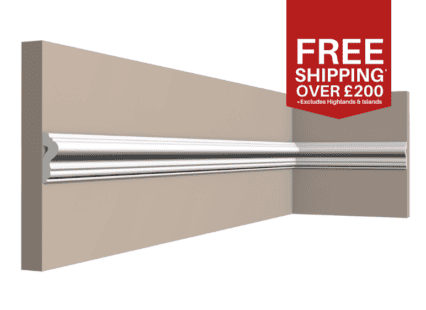
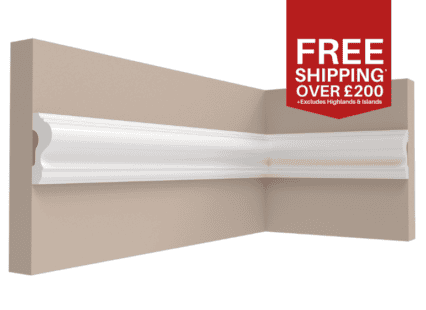
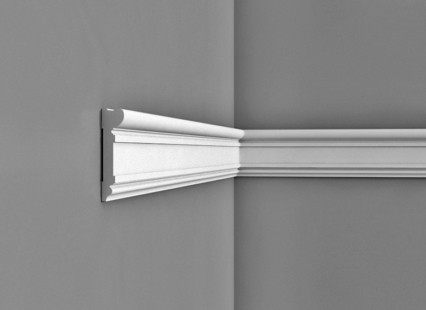
Use as panel moulding, dado rail or at picture rail height. Looks just like plaster, but easier to fit. Keen pricing.
- Easy fit. Installs in a fraction of the time of plaster. Perfect for DIY.
- Flexible options curved walls. See Flexible Railing page.
- Consistent finish – no knots.
- Lightweight – one person install.
- Pre-primed surface requires only one coat of paint.
- Durable and shock-resistant.
- Water resistant – fine in bathrooms.
- Material type: High Grade Polymer. Read about materials.
- Typical delivery in 1 to 3 working days, depending on location.
- Price promise. Find the same product cheaper online in the UK and we’ll beat it by 5%.
Chair Rails for Traditional & Modern Interiors
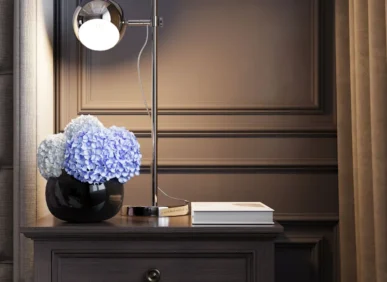
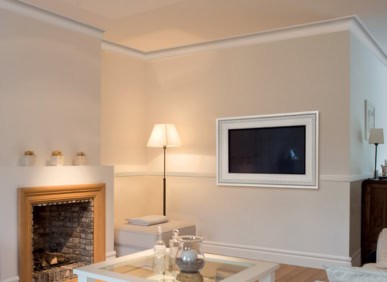
A chair rail is one of the simplest ways to introduce architectural character to a room without a full redecoration. Traditionally fitted to protect walls from the backs of dining chairs, it’s just as often chosen today for what it adds visually – a defined line to split two paint colours, a neat finish above wall panelling, or a stand-alone decorative detail.
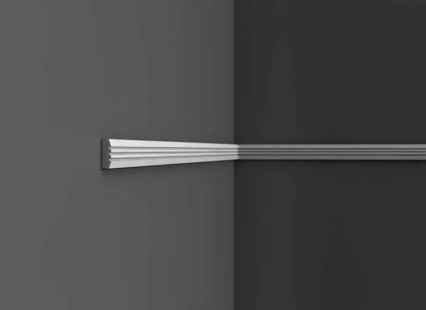
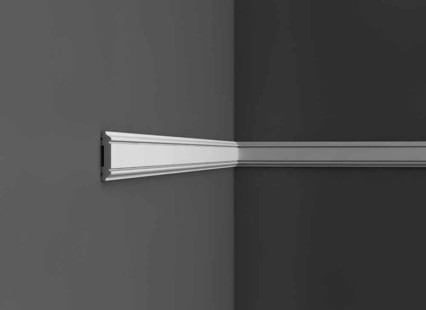
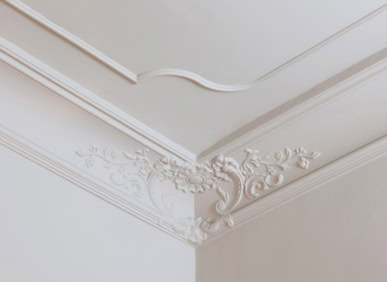
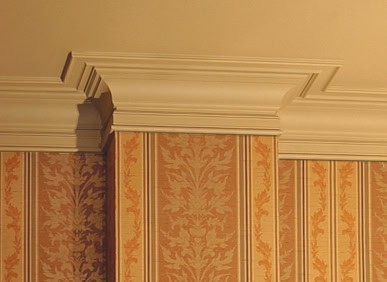
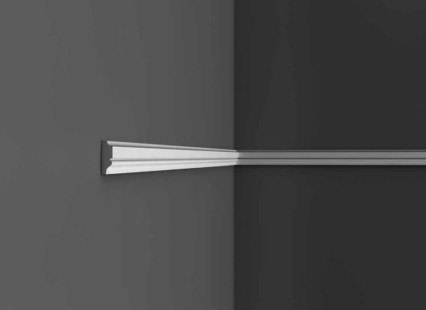
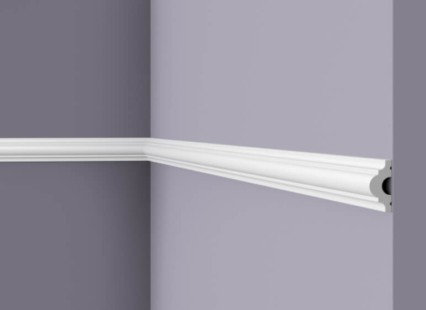
Our collection ranges from small, understated profiles through to bold, ornate designs, so you can find a chair rail that suits the proportions and style of your room – whether that’s a period property or a new build.
Where are Chair Rails used?
Chair rails can have multiple different uses including:
- Dining Rooms – protecting walls from chairs damaging the wall
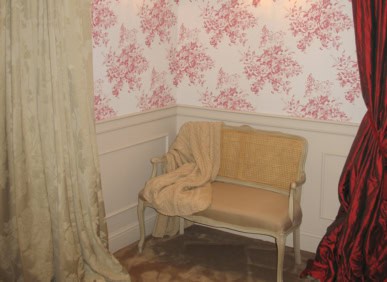
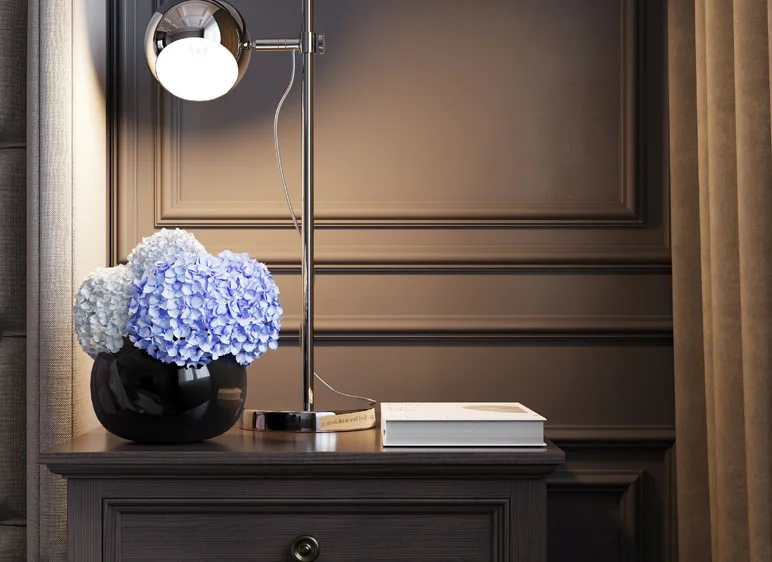
- Hallways & Living Rooms – a decorative feature for wall panelling
- Bedrooms – subtle alternative to a full feature wall
- Bathrooms – our water-resistant polymer profiles are well suited to wet rooms
- Stairways and landings – continues the detail through the space,
Many of our profiles are versatile enough to double as a panel moulding, giving you more freedom when designing a scheme. (You may also see this style of moulding referred to as a dado rail – the two terms are commonly used interchangeably.)
Why Choose Polymer Chair Rails?
Traditional mouldings are typically cut from timber or cast in plaster. Our chair rails are made from high-grade polymer – a practical alternative that keeps the crisp, defined look of a traditional profile with none of the drawbacks.
- Easy fit. Installs in a fraction of the time of plaster. Perfect for DIY.
- Flexible options curved walls. See Flexible Railing page.
- Consistent finish – no knots.
- Lightweight – one person install.
- Pre-primed surface requires only one coat of paint.
- Durable and shock-resistant.
- Water resistant – fine in bathrooms.
- Material type: High Grade Polymer. Read about materials.
- Typical delivery in 1 to 3 working days, depending on location.
- Price promise. Find the same product cheaper online in the UK and we’ll beat it by 5%.
Chair Rails for Wall Panelling
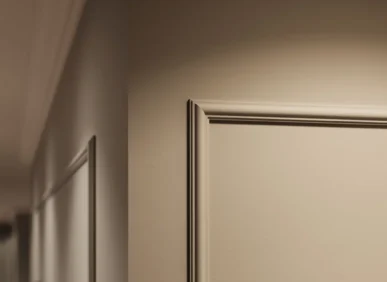
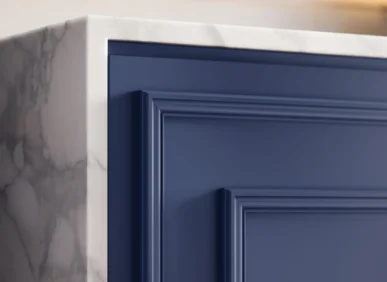
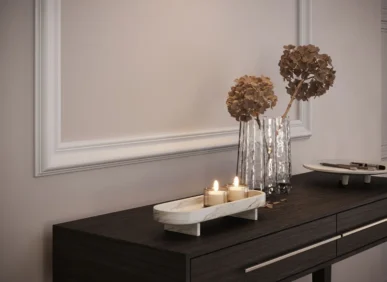
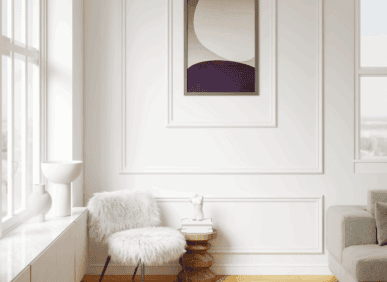
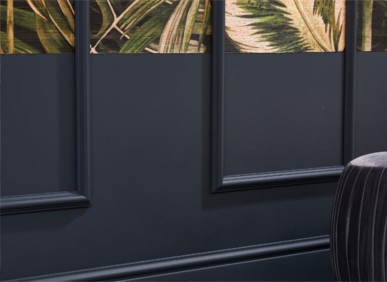
One of the most popular uses for a chair rail is as the finishing edge above a wall panelling scheme. This works well for creating a wainscoting feel for the bottom 1/3 of the wall space.
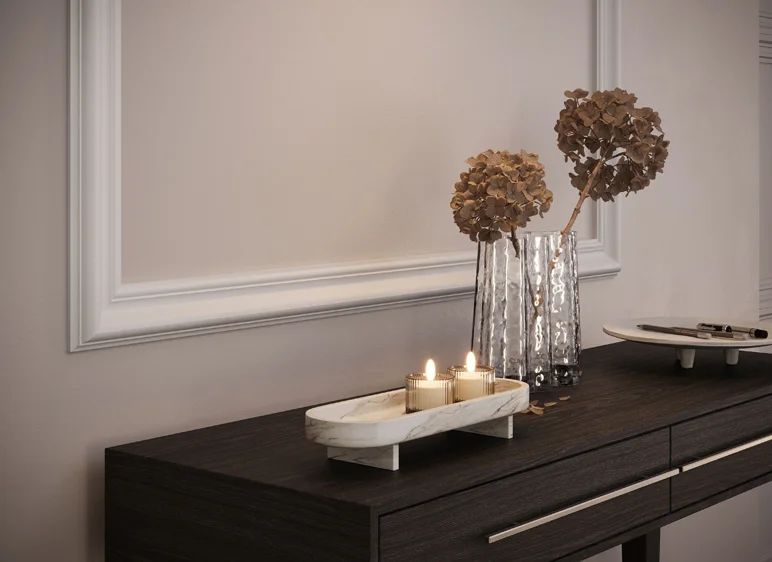
Detailed, ornate profiles suit traditional and period-style rooms, while simple linear and plain designs create a modern look for contemporary interiors. For a fully coordinated scheme, combine your chair rail with panel mouldings and skirting boards.
When planning, consider width and projection alongside appearance — a larger room or higher ceiling would be better suited to a larger profile as small profiles can feel lost in the space.
What Height Should a Chair Rail Be?
There’s no single correct height – it depends on your wall proportions, ceiling height, furniture, and any existing architectural features. A useful starting point is roughly the lower third of the wall which is typically around 0.8 – 1.2m high.
Take into consideration any existing fixtures and window sills to ensure that the chair rail will fit around them.
Choosing the Right Chair Rail
With dozens of profiles available, it helps to think about four things:
1. Style – decorative, ornate profiles suit period and traditional interiors; linear, simpler designs suit contemporary spaces. You don’t need to match your property’s age exactly – a simple profile can add subtle character to a new build, and a decorative one can be a deliberate feature in a modern room.
2. Width – wider mouldings make a bolder statement; narrower ones give a more understated line.
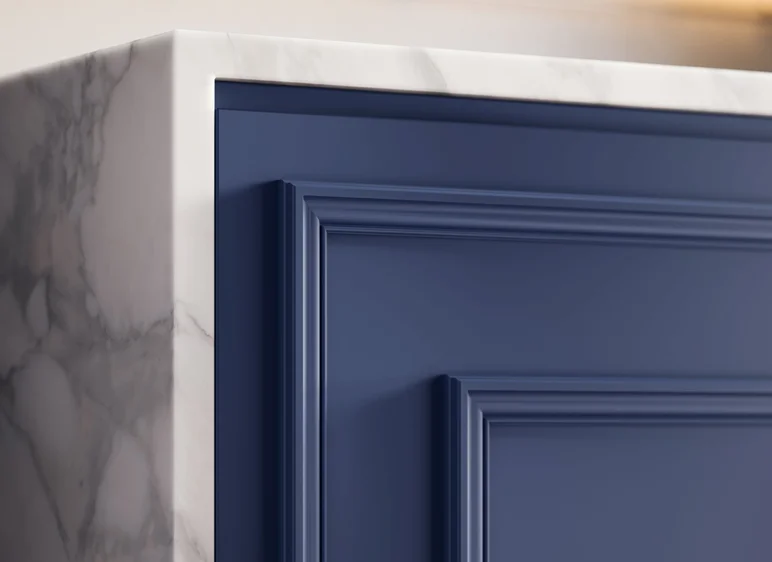
3. Projection – how far the moulding stands proud of the wall, particularly important if it needs to sit alongside door architrave or other mouldings. Ideally the chair rail should project further than the wall panelling below.
4. Sample first – scale is hard to judge on screen. A profile that looks subtle in a photo can look very different once held against your wall, so order a sample before committing to a full room.
How to Fit a Chair Rail
For more information on installing our Chair Rails, please see link to our installation guide. Installing Chair Rails and Panel Mouldings.
Frequently Asked Questions
Can chair rails be painted?
Yes, our chair rails are supplied pre-primed and only need a couple of coats of good quality paint.
Can I fit a chair rail myself?
Yes, as long as you are comfortable cutting mitre angles with a chop saw or mitre box then most DIYers can fit our lightweight polymer chair rails, if you ever get stuck with installation then we are always here to help.
Can chair rails be used in bathrooms?
Yes, our high-grade polymer profiles are water-resistant, making them a perfect choice for bathrooms and other wet areas.
Can a chair rail go on a curved wall?
Standard rigid profiles are designed for straight walls, but flexible versions of selected mouldings are available for curves, columns and archways. please see our Flexible Chair Rails here.
What’s the difference between a chair rail and a dado rail?
The terms are used interchangeably in the UK – both describe the same type of horizontal wall moulding. “Chair rail” reflects its original job of protecting walls from furniture; “dado rail” refers to its position at the top of the lower wall section (the dado).
Will they withstand knocks and scuffs?
Yes, our chair rails are made from a very dense type of polymer which withstands the daily knocks and scuffs just like timber. In fact they are much more durable than plaster and timber.
Installation Guides
Click for installation instructions PDF
Click for cutting a stop end PDF