Door Architrave
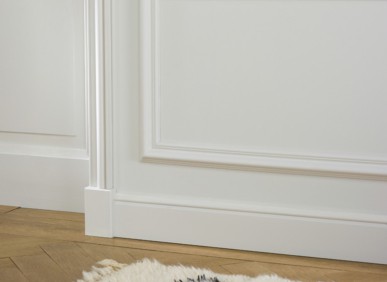
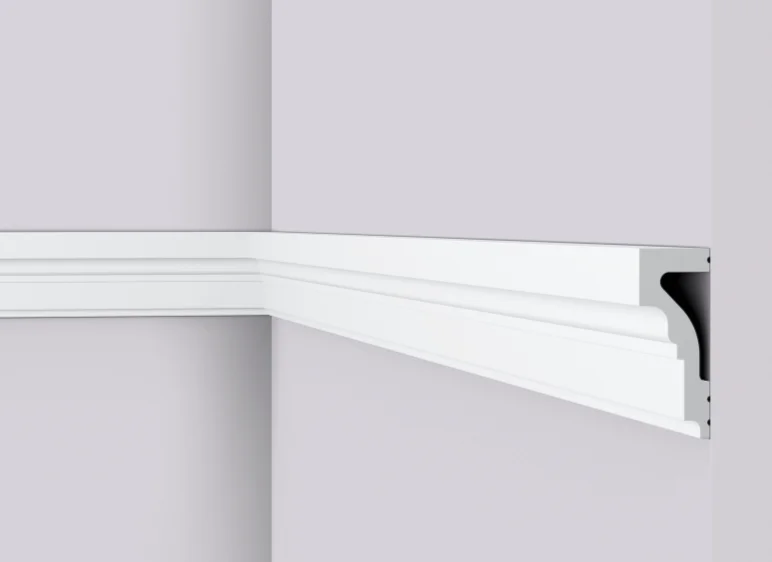
Door architrave is a decorative moulding that frames an internal doorway. As well as adding detail and definition, it covers the joint between the wall and door lining to provide a boarder around the door and also works well with skirting when it butts up to the architrave.
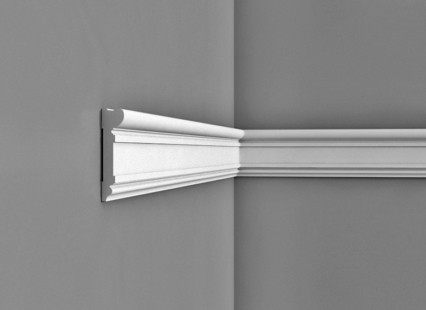
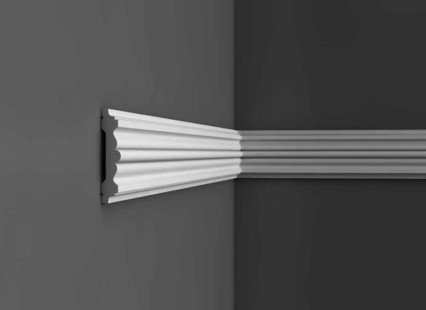
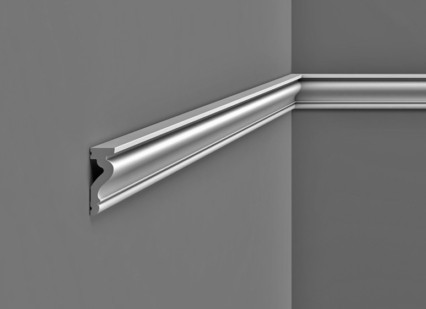
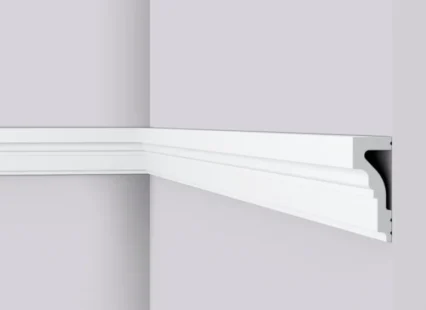
Our range includes everything from slim, simple architraves to wider and more decorative door surrounds. There are modern stepped profiles, traditional Ogee and Astragal designs and fluted architraves.
Key Benefits of our Architrave:
- More high grade polymer options than any other company, giving you more choice.
- Beautifully consistent appearance – no knots or imperfections.
- Hard-wearing and durable.
- Pre-primed and ready to paint, no sanding required.
- Flexible options for easy fit around arched doorways. See our Flexible Architrave here.
- The best price. Find the same product cheaper online in the UK and we’ll beat it by 5%.
Modern and Traditional Door Architrave
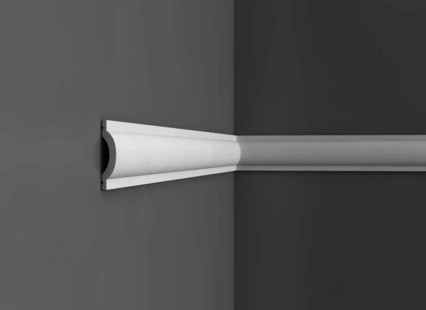
Modern Architrave has simple shapes and clean lines, with minimal detailing. This works well in new-build properties and contemporary interiors where the architraves don’t need to be too visual but serve the purpose of coving up the join.
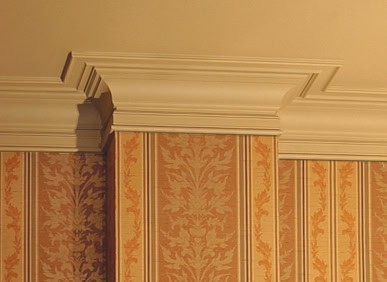
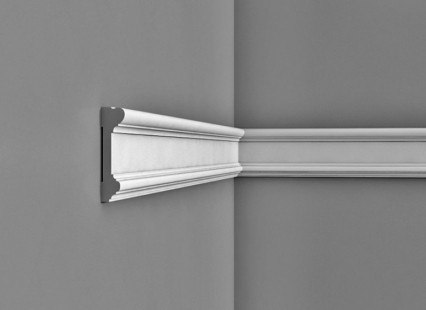
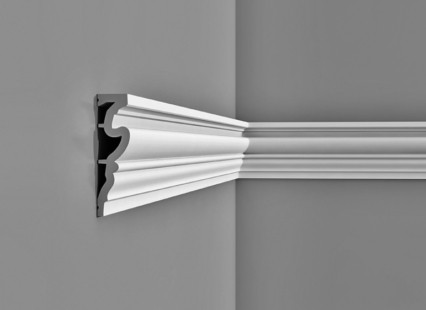
Traditional Architrave has more detailing and decorative details and can have florally designs. It is designed to stand out and complement the heavy decorative styles of Victorian, Georgian, and Edwardian style interiors.
Some of our traditional profiles can work in modern interiors when you want to add a small amount of character to soften the interior.
Door Surround kits
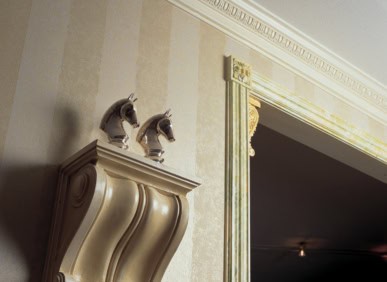
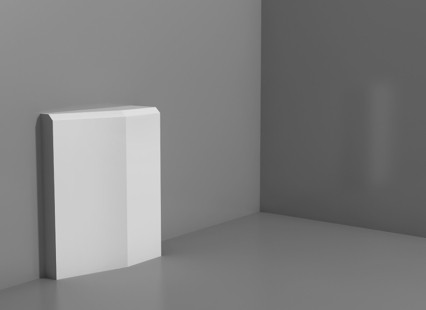
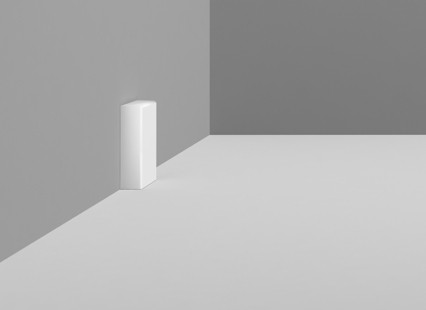
Please see our Door Surround Kits which are stunning and perfect for classical style interiors with corner blocks and feet/plinth blocks which are designed for the skirting to butt up to. They stand out in the room and create a wow feature, perfect for High-end residential and hotel properties. Our Kits are all designed so that there are no angles to cut making installation very simple.
Choosing the right size architrave
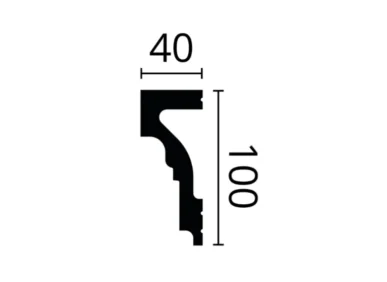
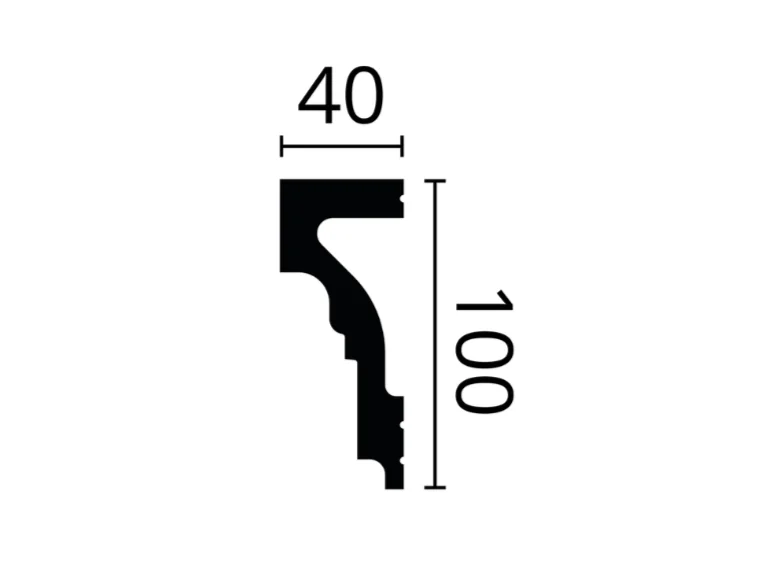
When choosing the width of the architrave, this is about how prominent the architraves should be in the room. For a room with tall ceilings then a wider architrave of 7cm+ width would work best. For modern interiors often a slimmer architrave is used and for traditional interiors, a wider architrave is used.
For the projection of architrave, our architraves are all roughly the same projection. The key consideration is how the architrave will match up with the skirtings. The architrave should be the same projection or greater than the skirting board for a seamless look. Otherwise, if the edge of the architrave which will be going against the skirting is shallower then we would recommend a Plinth Block which the architrave will sit on top of.
Frequently Asked Questions
Why Choose High-Grade Polymer Architrave?
High-grade polymer architrave has a smooth and consistent surface without the knots, grain or natural imperfections found in timber. It is lightweight, easy to handle and suitable for fixing with adhesive.
It is also resistant to moisture and will not absorb water in the same way as untreated timber or MDF, making it suitable for kitchens, bathrooms and other areas where with high humidity.
The pre-primed surface is the key difference as no preparation required and the painted finish is much smoother than the finish achieved on any other material. The definition is also the much sharper than any other material with clean crisp lines.
What is Door Architrave?
Door architrave is the decorative moulding fitted around the sides and top of an internal doorway. It conceals the joint between the door lining and wall while creating a boarder around the opening.
Is architrave the same as the door frame?
No, the door frame is the lining of the door and what structurally takes the weight of the door. Architrave is the moulding fitting on the wall and covers the join between the door lining and the wall.
Can architrave be used around windows?
Yes all our architraves can also be used to go around windows and is a very effective way of adding decorative mouldings to your property in a subtle way.
Can I use architrave around a curved doorway?
Yes, please see our Flexible Archway Architrave which is designed to bend around your curved archway.
Should door architrave match with the skirting?
It is recommended to choose a similar style architrave to the skirting. It doesn’t have to be an identical match, if there is a big difference in the architrave and skirting style then a plinth block can be used to break it up to make it not so obvious.
Can I paint lightweight polymer architrave?
Yes definitely, the profiles come pre-primed and ready to paint. We recommend a couple of coats of good quality water-based paint.
Door Surrounds & Architraves Can Transform a Simple Door Opening Into a Stunning Decorative Feature.
What is the Difference Between a Door Surround & an Architrave?
Both form a decorative feature around a door or window opening. Architrave is a strip of shaped material that is often used all the way around your door to form the full door surround. Other door surrounds use additional decorative features like keystones or corner blocks, or use different elements to form the vertical sections of the surround to the horizontal sections.
What is It’s Purpose?
Both architrave and door surrounds provide a decorative feature. They also hide the joint line between the wall and the door lining.
They can also tidy up the meeting of the skirting board to the door opening. Usually (although not always) the outer edge of your architrave would project further than the skirting board.
What Styles are Available?
There are many options, from simple, plain, modern architraves to grand, ornate Georgian or Victorian door surrounds. Sizes vary, from very slim, to much wider and more grand options.
Whichever style you’re looking for, please do remember that we’re on the end of the phone to offer help and advice if you need it, and for most options we can get samples out in the post to you, too.